-

Address
Astana, Saryarqa 6, 9th floor -

Email
nnpcfk2020@yandex.kz -

Phone
8 (7172) 51-69-80
First school judo hall opened in Astana
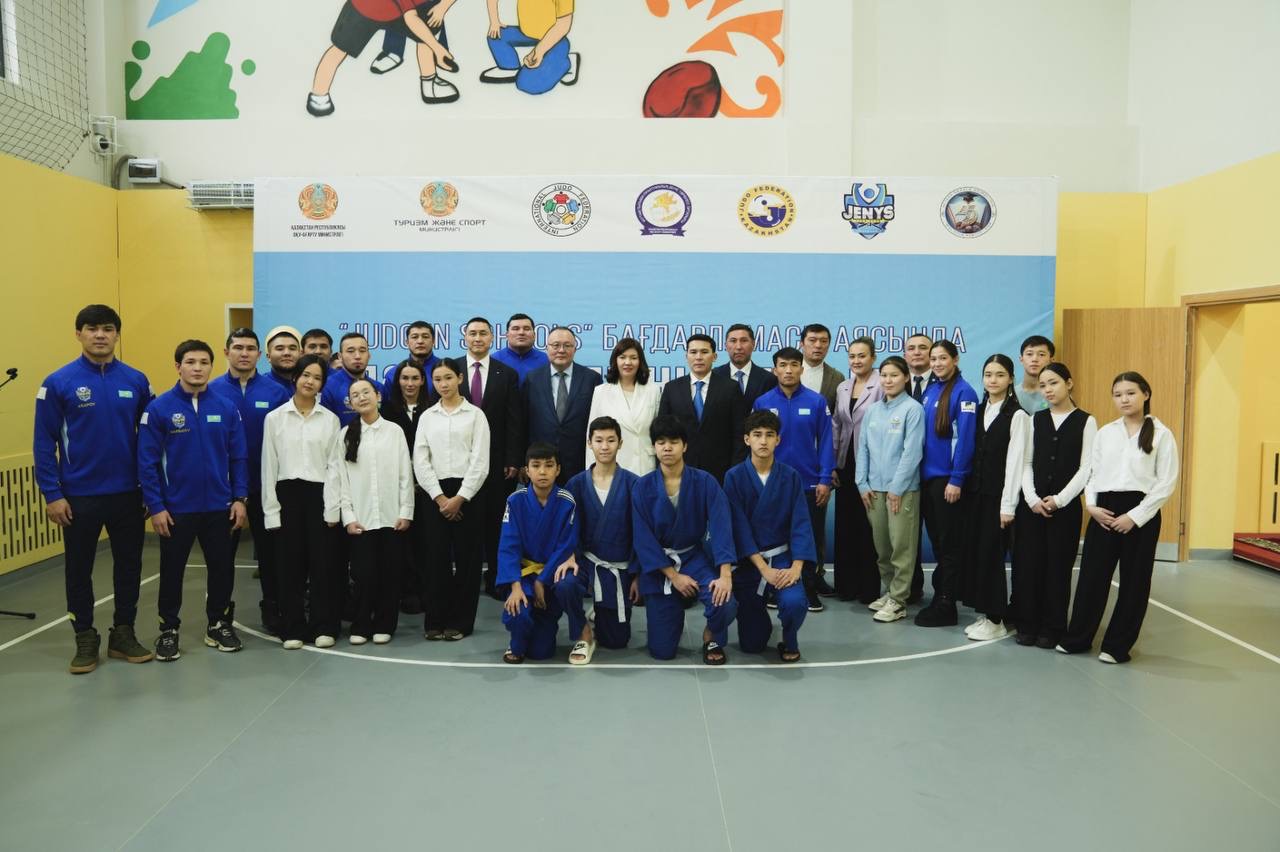
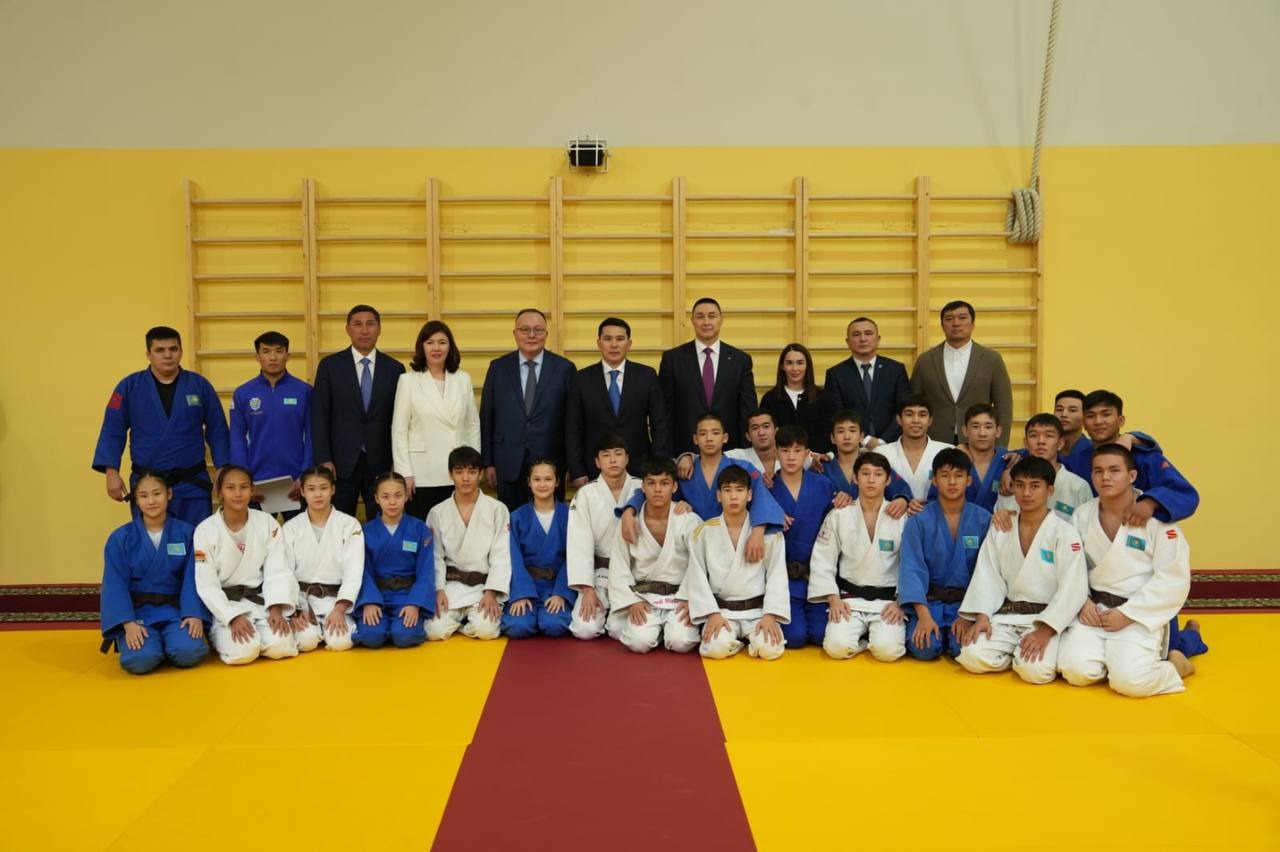
Within the framework of the Judo in Schools program, the capital's School hosted the grand opening of the specialized school judo hall for the first time in Kazakhstan. The project is implemented jointly with the International Judo Federation, the Judo Federation of Kazakhstan and the Zhenis Sports Club on the initiative of the National Center for scientific and practical physical education of the Central Asian Medical Academy of the Republic of Kazakhstan.
The program is aimed at the gradual formation of a network of school judo halls equipped with modern sports equipment, methodically fully equipped.
At the first stage, the Judo Hall of School No. 45 ("Bolashak school") was completely renovated and equipped with modern sports equipment. Special sports equipment for students and kimono sets for judo were handed over to the educational institution on a free basis. Currently, about 150 thousand people are engaged in judo in the country, of which 35 thousand are children.
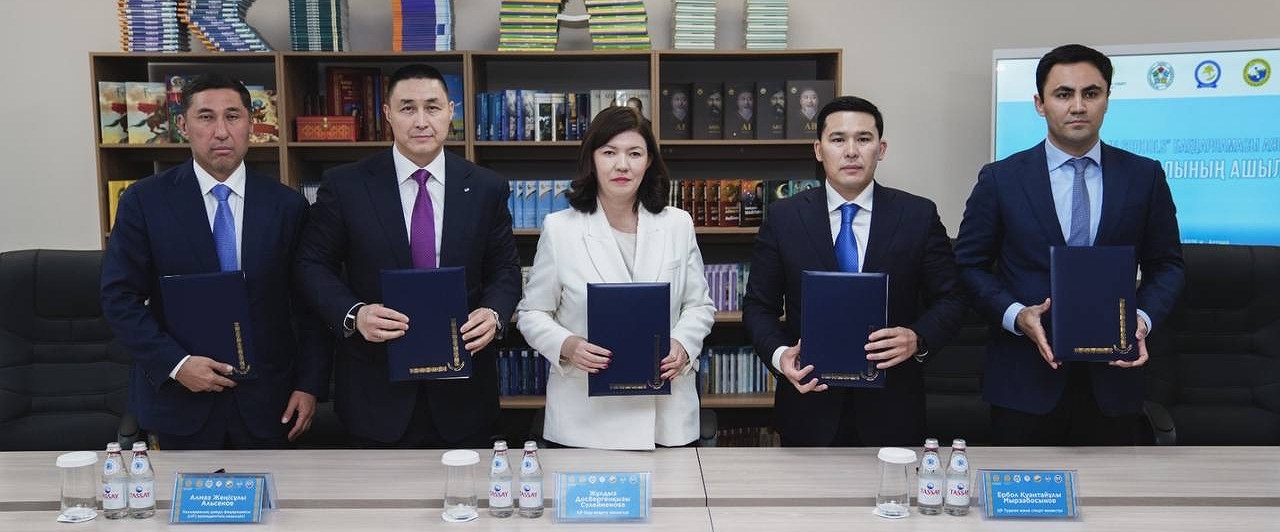
On the opening day of the hall, a memorandum of cooperation was signed between the Ministry of Tourism and sports of the Republic of Kazakhstan, the Ministry of Education and training of the Republic of Kazakhstan, the International Judo Federation, the Judo Federation of Kazakhstan and the Zhenis Sports Club. The document provides for a systematic strengthening of the mechanisms of interaction between the parties in the direction of the development of school sports.
It should be noted that the opening of judo halls is aimed not at replacing physical education classes in schools, but, on the contrary, at the development of additional sports sections on the basis of educational organizations. The National Center for scientific and practical physical education of the Central Asian state Medical University of the Republic of Kazakhstan plans to gradually introduce sections on various sports with the support of Republican sports federations, taking into account the specialization of physical education teachers, personnel potential and material and technical capabilities of schools.
Gallery